

Transgender Hair Transplant in Sydney
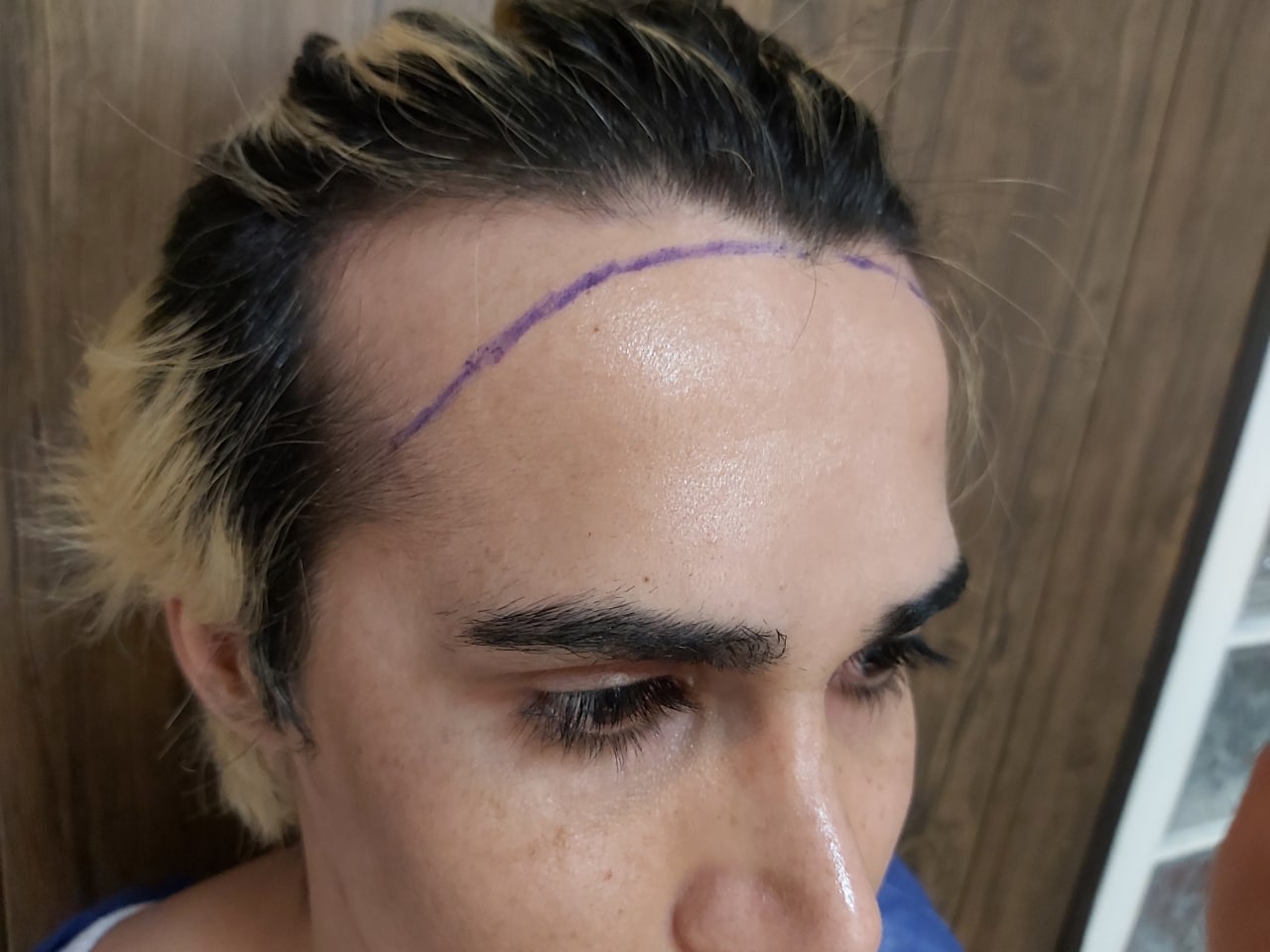
Gender-Affirming Hair Restoration in Sydney
A transgender hair transplant can help reshape the hairline, restore areas affected by hair loss or create facial hair in a way that better supports your individual appearance and gender-affirming goals.
Individualised Treatment
What Is a Transgender Hair Transplant?
A transgender hair transplant is a personalised hair-restoration procedure planned around the patient’s anatomy, hair-loss pattern and desired appearance.
Depending on the individual, treatment may focus on reshaping or restoring the scalp hairline, improving density in thinning areas, restoring temple regions or creating facial hair such as a beard, moustache or sideburns.
Hair transplantation is not an essential part of transition, and not every transgender or gender-diverse person wants or needs the same treatment. The purpose of consultation is to understand what you would like to change and determine whether transplantation is clinically appropriate for you.
At Bijan Clinic, treatment planning is based on your individual goals rather than a fixed idea of how a masculine or feminine hairline should look.
Areas That May Be Treated
How Can Hair Transplantation Support Gender-Affirming Goals?
The areas addressed will depend on your existing hair pattern and the result you would like to achieve.
Hairline Reshaping
Modifying the shape, height or contours of the frontal hairline to create a softer, more angular or otherwise personalised appearance.
Temple Restoration
Restoring recessed temple areas and adjusting the way the frontal hairline connects with the sides of the scalp.
Scalp Density
Improving coverage in suitable areas affected by thinning or pattern hair loss, subject to donor-hair availability.
Facial Hair Creation
Transplanting suitable donor follicles to help create or improve a beard, moustache, goatee or sideburn pattern.
Hairline Feminisation
Hairline Restoration for Trans Women
For some trans women, a receding or angular hairline can remain visible even when hormone therapy has helped improve other aspects of the hair.
Hair transplantation may be used to restore the frontal corners, soften the temples or create a more rounded hairline. However, there is no single design that is right for every patient.
The proposed hairline should be planned in relation to facial proportions, forehead shape, existing hair, donor capacity and personal preference. The goal is to create a design that looks appropriate from different angles and remains practical over time.
You can learn more about the clinic’s general approach on our hair transplant Sydney page.
A softer hairline involves more than simply lowering it
The surgeon must consider the transition between the centre of the hairline, the frontal corners and the temple regions.
Follicle direction, placement angle and the distribution of single-hair grafts can influence how refined and natural the final hairline appears.
Facial Hair Restoration
FTM Beard Transplant
For some trans men and transmasculine patients, facial hair is an important part of their preferred appearance. Testosterone may support beard development, but the amount, density and distribution of growth vary between individuals.
An FTM beard transplant may be considered when facial hair remains limited, uneven or does not develop in the desired areas. Depending on the treatment plan, donor follicles may be placed in the beard, moustache, goatee, cheek or sideburn regions.
Facial-hair design must account for the natural direction and angle of beard growth. These details are especially important around the moustache, jawline, cheeks and transitions between different facial areas.
Further information about the procedure is available on our beard transplant Sydney page.
Treatment May Include
- Beard and cheek-area restoration
- Moustache and goatee creation
- Sideburn reconstruction or enhancement
- Improvement of uneven facial-hair coverage
- A personalised facial-hair shape and distribution
- Planning based on donor-hair availability
Suitability for hair transplantation can only be determined after an individual clinical assessment. Results, graft requirements and recovery experiences vary between patients.
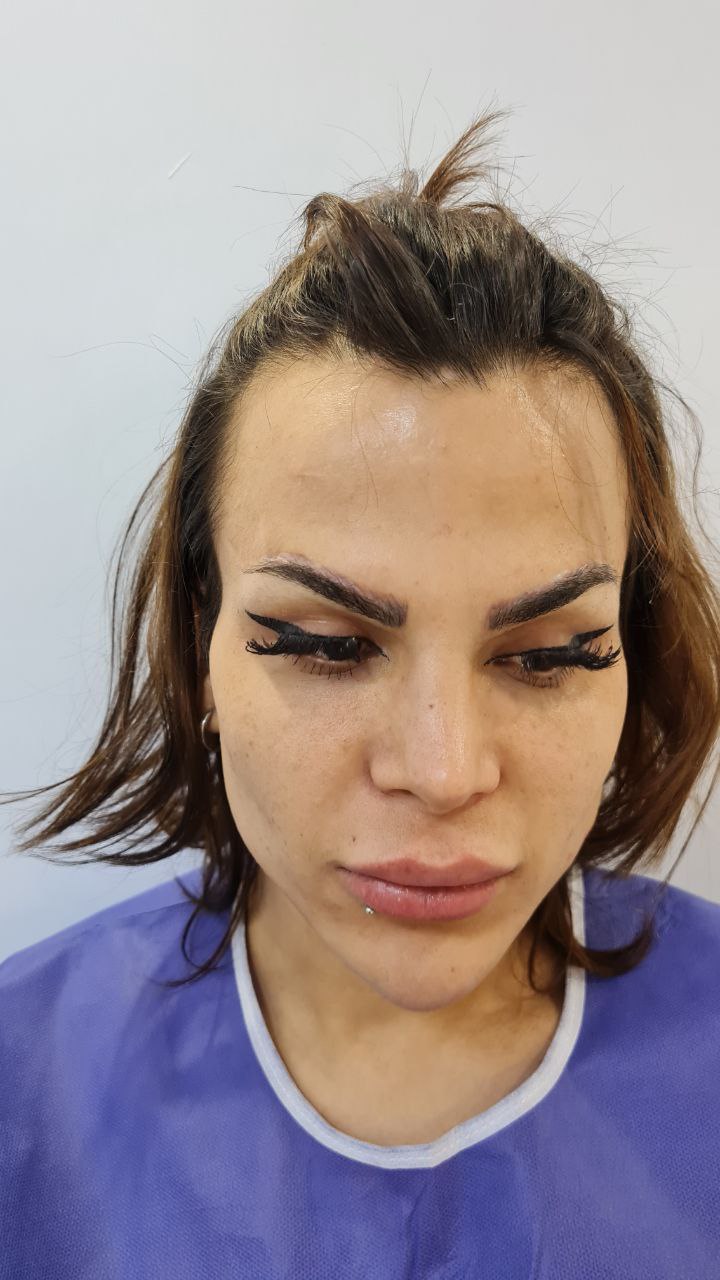
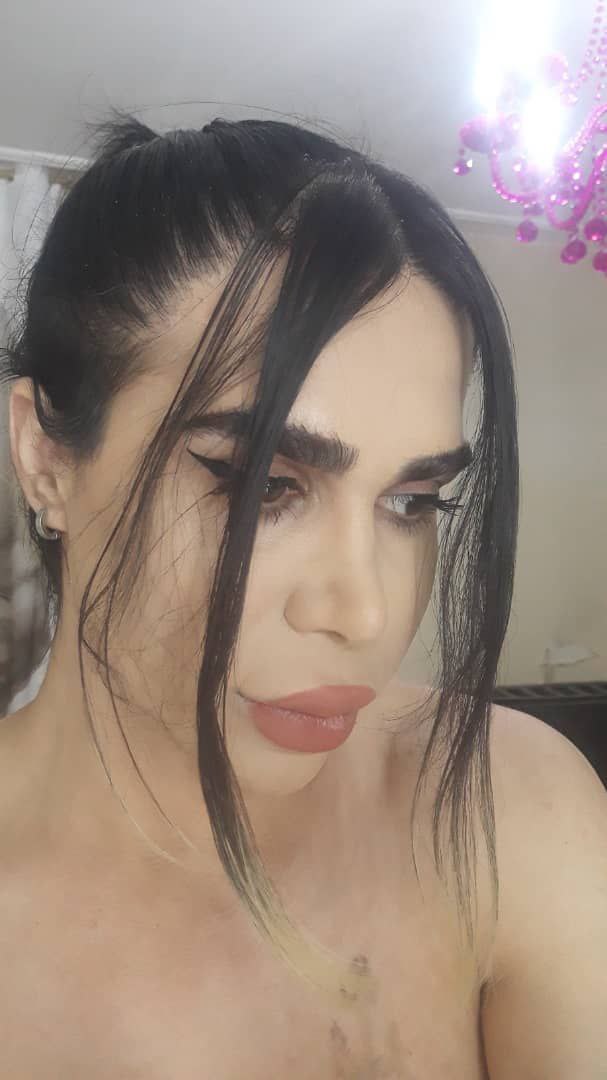
Individual Treatment Priorities
Hair Restoration Goals Can Differ Between Patients
Gender-affirming hair restoration is not a single procedure. Treatment may focus on the scalp, hairline, eyebrows or facial hair depending on the individual’s existing hair pattern and personal goals.
| Feature | FTM / Transmasculine Facial Hair Restoration | MTF / Transfeminine Hair Restoration |
|---|---|---|
| Common Treatment Goal | Additional beard, moustache, goatee, jawline or sideburn coverage | Hairline reshaping, frontal or temporal restoration and selected eyebrow restoration |
| Treatment Areas | Cheeks, moustache, chin, jawline and sideburns | Frontal hairline, temples, scalp and selected eyebrow areas |
| Key Design Considerations | Existing facial hair, beard shape, hair angle, growth direction and facial proportions | Existing hairline, forehead proportions, temporal recession, density and preferred hairline shape |
| Donor Planning | Hair calibre and texture should be considered when planning facial-hair placement | Donor density and longer-term scalp hair requirements should be considered |
| Graft Requirements | Depend on existing facial hair and the amount of coverage requested | Depend on the extent of hairline or scalp restoration required |
| Assessment | Individual donor-area, recipient-area and medical assessment required | Individual donor-area, recipient-area and medical assessment required |
Swipe horizontally to view the complete comparison table.
These examples describe possible treatment priorities and do not assume that every transgender or gender-diverse patient wants the same result. Treatment planning is always individual.
Hormones and Hair Growth
How Does Hormone Therapy Affect Hair Transplant Planning?
Hormone therapy can affect scalp and facial-hair growth, but its effects vary considerably between individuals.
For some trans women, gender-affirming hormone therapy may help slow androgen-related scalp hair loss or improve the appearance of existing hair. However, it does not always restore follicles in areas where hair loss is already established.
For some trans men and transmasculine patients, testosterone may stimulate facial-hair development. The final density, distribution and growth pattern will still depend on individual factors, including genetics and the response of existing follicles.
During consultation, the clinic should understand your current treatment, the changes you have already experienced and whether your hair or facial-hair pattern is still evolving.
Follicular Unit Extraction
How Is a Transgender Hair Transplant Performed?
At Bijan Clinic, hair transplantation is performed using Follicular Unit Extraction, commonly known as FUE.
With FUE, follicular units are individually extracted from a suitable donor area. The grafts are then prepared and placed into carefully planned recipient sites in the scalp or facial-hair area.
The placement stage is particularly important in gender-affirming hair restoration. The direction, angle and distribution of the transplanted follicles must be adapted to the selected hairline, temple or facial-hair design.
Further details about the technique are available on our FUE hair transplant page.
Each stage is based on the individual treatment plan
- Assessment and personalised design
- Preparation of the donor and recipient areas
- Individual extraction of suitable follicular units
- Sorting and preparation of the grafts
- Creation of recipient sites at planned angles
- Placement of the grafts and aftercare guidance
Donor-Hair Assessment
Where Does the Donor Hair Come From?
For scalp hairline restoration, follicles are commonly selected from a suitable donor area at the back or sides of the scalp.
Scalp donor hair may also be considered for beard, moustache or sideburn transplantation. However, the appearance and behaviour of scalp hair can differ from naturally occurring facial hair.
The donor area must be assessed before a treatment plan is confirmed. The clinician will consider available density, hair calibre, texture, colour contrast and the number of follicles that may be safely harvested.
Donor capacity is limited. Planning must therefore consider both the current procedure and the possible need to preserve follicles for future hair restoration.
Assessment Factors
- Donor-area density and coverage
- Hair calibre, texture and curl pattern
- Contrast between the hair and skin
- Stability of the existing hair-loss pattern
- The size and location of the recipient area
- Previous hair-transplant procedures
- Potential future restoration requirements
Donor hair is a limited resource. The number of grafts that can be harvested safely varies between patients and can only be estimated after an individual assessment.
Clinical Assessment
Am I a Suitable Candidate?
Being transgender or gender-diverse does not determine suitability. The decision is based on the same clinical and donor-hair factors considered for every hair-transplant patient.
A consultation is required to assess whether transplantation is likely to provide a practical and appropriate result for the area you would like treated.
Your preferred design must also be considered alongside the characteristics of your existing hair, the available donor supply and the possibility of future hair loss.
- 01 You have a suitable and adequately supplied donor area.
- 02 Your scalp and recipient skin are suitable for the proposed procedure.
- 03 Your general health and medical history have been appropriately assessed.
- 04 Your preferred result is realistic in relation to donor capacity and hair characteristics.
- 05 The proposed design remains appropriate when potential future hair changes are considered.
Personalised Treatment Scope
How Many Grafts Will I Need?
There is no standard graft number for a transgender hair transplant. Requirements vary according to the treatment area, the selected design, existing density, hair characteristics and available donor supply.
A small adjustment to the frontal corners may require a different approach from full hairline reshaping. Similarly, a moustache, goatee or sideburn procedure will have different requirements from broader beard coverage.
The estimated number of hair grafts should be discussed after the recipient and donor areas have been examined.
The size and location of the hairline, temple, scalp or facial-hair area will influence the proposed graft count.
Reshaping an outline and improving visible density are different objectives and may require different graft distributions.
The number of usable follicles and the need to preserve donor hair for the future must be considered during planning.
Personalised Pricing
How Much Does a Transgender Hair Transplant Cost?
The exact cost depends on the area being treated, estimated graft requirements and the complexity of the individual treatment plan.
Hair-transplant procedures at Bijan Clinic generally start from AUD $7,000. This starting price is not a fixed quote for every scalp or facial-hair procedure.
A personalised price can be provided after the clinic has assessed your goals, donor area, existing hair pattern and proposed design.
Payment plans are available. The clinic team can explain the available payment options during your free consultation.
- Free initial consultation
- Individual donor-area assessment
- Personalised graft estimate
- Treatment planning based on your goals
- Clear quotation before booking
- Payment-plan information available
The starting price is general information only and does not replace an individual quotation. Procedure costs and graft requirements vary according to the treatment plan confirmed after assessment.
After the Procedure
Recovery After a Transgender Hair Transplant
Recovery varies according to the treatment area, number of grafts and individual healing response.
After the procedure, temporary redness, swelling, tenderness and small crusts may occur around the donor and recipient areas. The clinic will provide aftercare instructions explaining how to protect the grafts, wash the treated area and manage the early recovery period.
Patients should avoid rubbing, scratching or placing unnecessary pressure on newly transplanted follicles. Strenuous exercise, swimming, direct sun exposure and other activities may also need to be limited temporarily.
Recovery considerations can differ between scalp and facial-hair transplantation. For example, beard or moustache grafts require particular care because of their location and the normal movement of the face.
First Days
Redness, mild swelling, tenderness and small crusts may be visible. Newly placed grafts must be handled carefully.
Following Weeks
The treated skin continues to settle. Some transplanted hairs may shed as part of the expected post-transplant cycle.
Following Months
New growth usually develops gradually. Density, texture and coverage continue changing as the transplanted follicles mature.
Gradual Hair Growth
When Will I See the Results?
Hair-transplant results develop gradually rather than immediately. The transplanted hairs may initially shed before new growth begins from the follicles beneath the skin.
Early growth may become noticeable over the following months, but the hair usually requires more time to develop length, texture and visible density.
Scalp and facial-hair results can mature at different rates. Individual progress also depends on the natural hair-growth cycle, the treatment area and personal healing response.
Full maturation may continue for approximately 12 to 18 months. Your clinical team can assess progress during follow-up and explain what may reasonably be expected at each stage.
Transplantation redistributes existing donor follicles
A hair transplant does not create an unlimited supply of new hair. Coverage and density are influenced by the number and quality of follicles that can be harvested safely.
Existing non-transplanted hair may also continue to change over time. This is why long-term planning is an important part of the consultation.
Personalised Care in Sydney
Why Choose Bijan Clinic?
Gender-affirming hair restoration requires more than selecting a standard hairline or facial-hair template. The design must reflect the patient’s goals while remaining compatible with facial proportions, existing hair and available donor follicles.
At Bijan Clinic in Auburn, Sydney, each treatment plan begins with an individual assessment. The consultation provides an opportunity to discuss your preferred result, medical history, donor area, graft requirements, expected recovery and likely limitations.
- Individualised hairline and facial-hair planning
- FUE hair-transplant procedures
- Assessment of donor capacity and future hair loss
- Attention to follicle angle and growth direction
- Scalp and facial-hair restoration options
- Clear discussion of realistic treatment limitations
- Free initial consultation
- Payment-plan information available
No clinic can guarantee a specific cosmetic result. Outcomes vary according to donor characteristics, graft survival, treatment scope, healing response and adherence to aftercare instructions.
Frequently Asked Questions
Transgender Hair Transplant FAQ
Answers to common questions about gender-affirming scalp and facial-hair transplantation.
Is a transgender hair transplant different from a standard hair transplant?
The follicular extraction and transplantation principles may be similar, but the design objectives can differ. Planning may involve feminising, masculinising or otherwise personalising the hairline, restoring the temples or creating facial hair. The selected design should reflect the patient’s goals, anatomy and donor capacity.
Can a hair transplant create a more feminine hairline?
In suitable candidates, transplantation may be used to soften frontal corners, restore recessed temples or create a more rounded hairline. The appropriate design depends on facial proportions, existing hair, forehead shape and the number of available donor follicles.
Can trans men have a beard transplant?
Yes, suitable trans men and transmasculine patients may be considered for beard, moustache, goatee or sideburn transplantation. Donor availability, facial-hair goals and the difference between donor scalp hair and natural beard hair must be assessed first.
Do I need to stop hormone therapy before the procedure?
Do not stop or change hormone therapy independently. Your current medications and medical history should be discussed during consultation. Any recommended adjustment must be coordinated with the clinician responsible for prescribing or managing your treatment.
How many grafts are needed for hairline feminisation?
There is no single graft number. Requirements depend on the existing hairline, size of the frontal and temple areas, selected design, desired coverage and available donor supply. An estimate can be provided only after assessment.
How many grafts are needed for an FTM beard transplant?
The graft requirement depends on whether treatment involves a moustache, goatee, sideburns, selected patches or broader beard coverage. Facial size, desired density and donor-hair availability must also be considered.
Will the transplanted hair look natural?
Natural-looking results depend on several factors, including the design, graft selection, follicle angle, growth direction, distribution and individual hair characteristics. No specific result can be guaranteed.
Are transplanted hairs permanent?
Transplanted follicles are generally selected from donor areas that are more resistant to pattern hair loss. However, outcomes vary, and existing non-transplanted hair may continue thinning. Long-term planning and appropriate follow-up remain important.
How much does a transgender hair transplant cost in Sydney?
Hair-transplant procedures at Bijan Clinic generally start from AUD $7,000. The exact price depends on the treatment area, proposed design, graft requirements and procedure complexity. A personalised quotation is provided after assessment, and payment plans are available.
How can I find out whether I am suitable?
Suitability can be assessed during a free consultation. The clinic will review your goals, donor area, existing hair pattern, relevant medical history and the practical limits of the proposed treatment.
Free Personalised Consultation
Discuss Your Hair-Restoration Goals with Bijan Clinic
Whether you are considering hairline reshaping, temple restoration, improved scalp coverage or an FTM beard transplant, the first step is an individual assessment.
During your consultation, the clinic can assess your donor area, discuss the design you prefer and explain possible graft requirements, costs, recovery and realistic treatment limitations.
The information on this page is general and does not replace an individual medical consultation. Suitability, risks, graft requirements, recovery, costs and likely outcomes vary between patients.