
Real Patient Cases · Auburn, Sydney
Beard Transplant Before and After
Explore real beard transplant cases treated at Bijan Clinic. Photographs may show different stages of treatment and recovery, and individual growth, density and healing vary between patients.
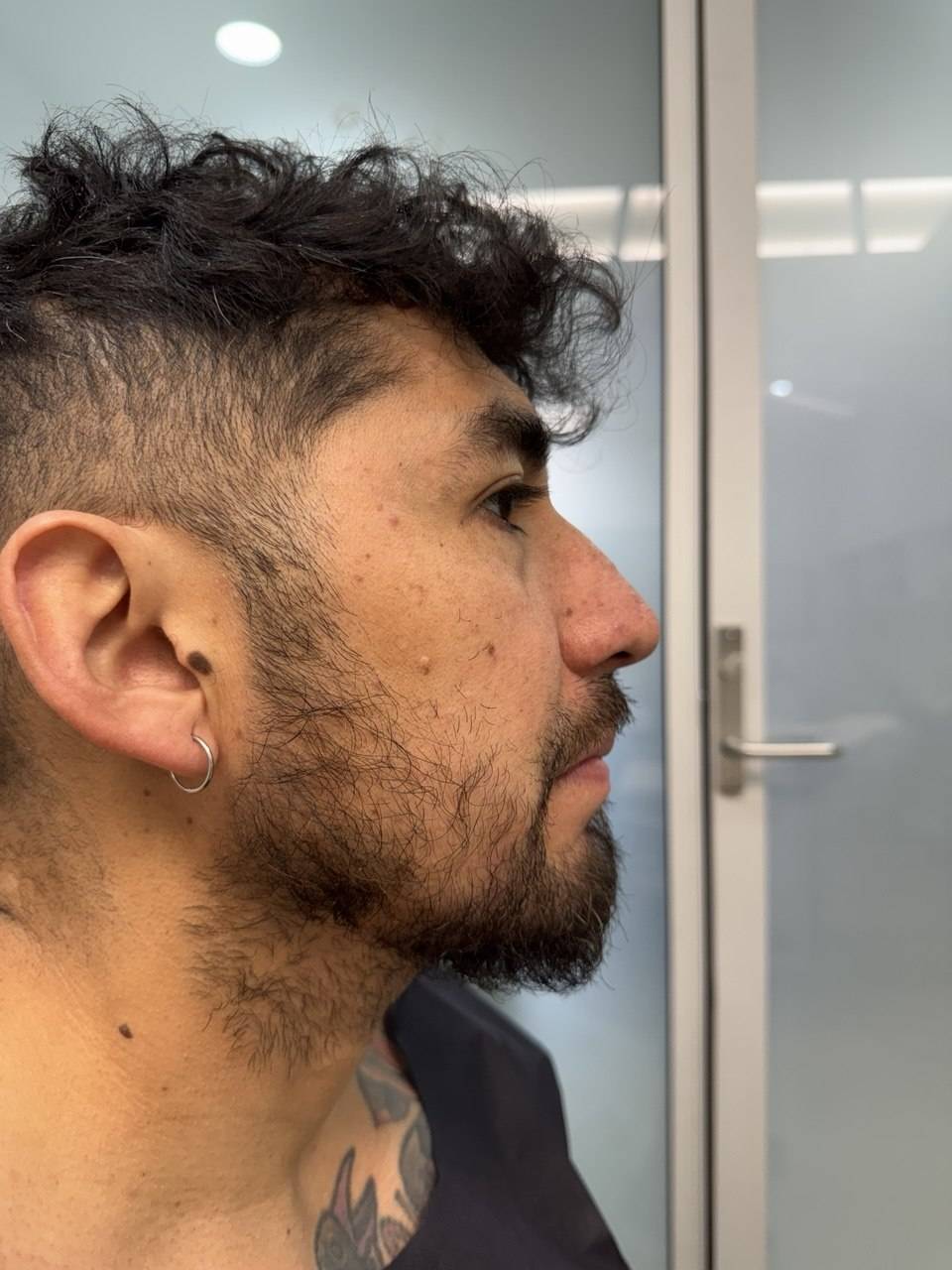
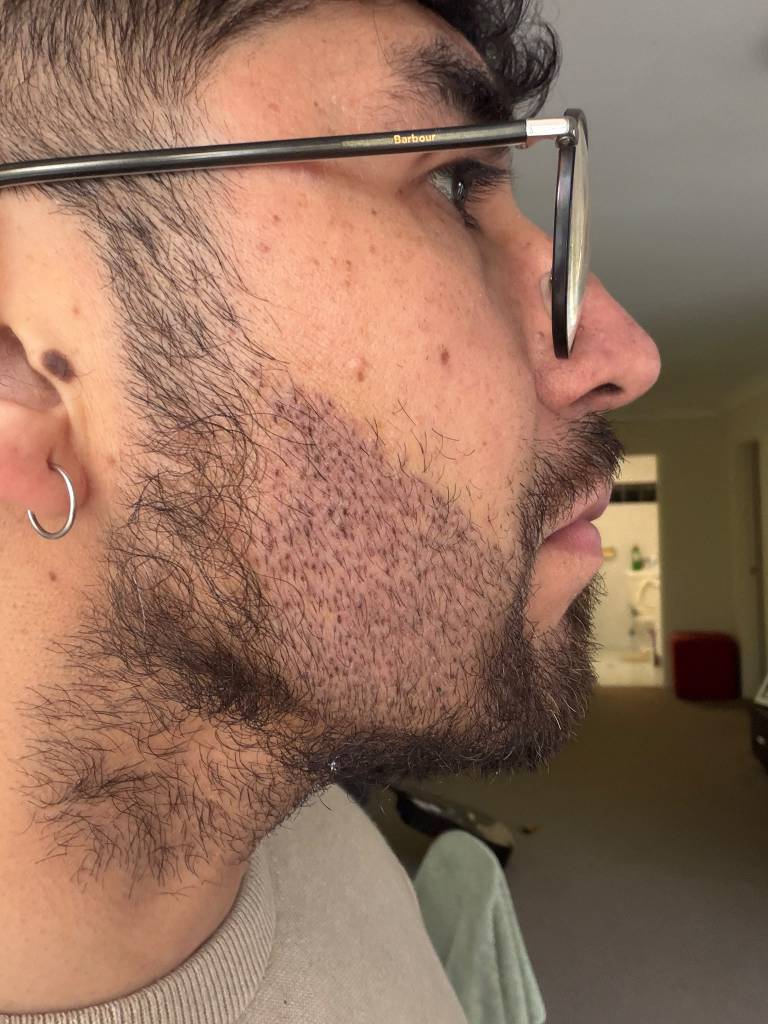
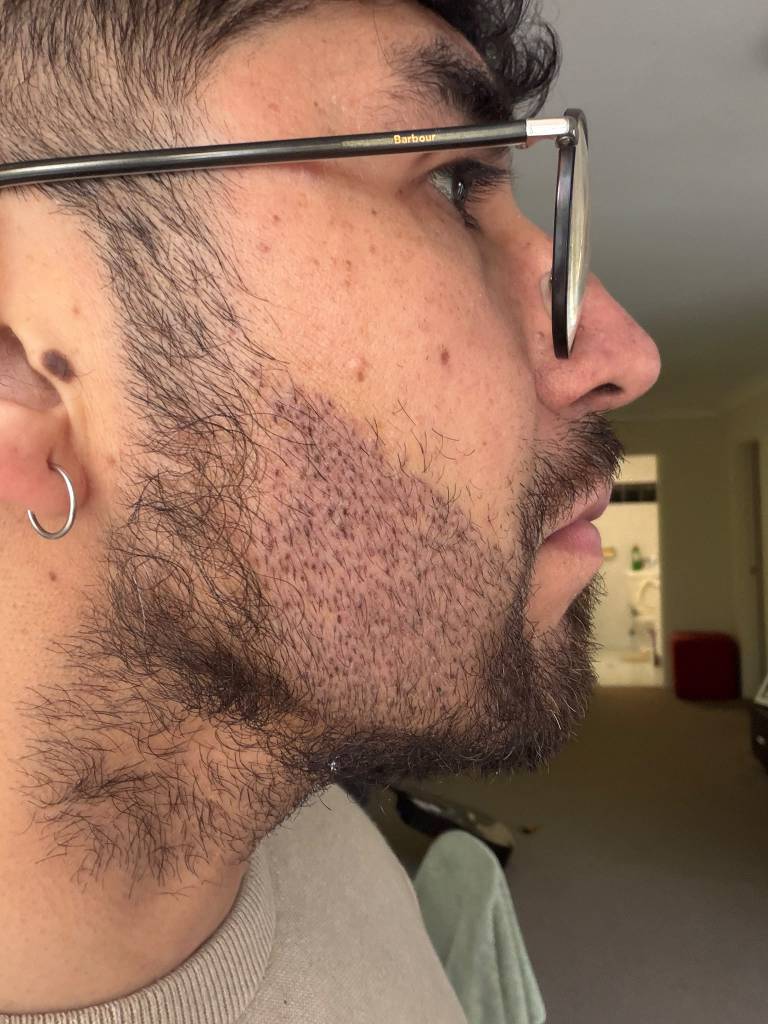
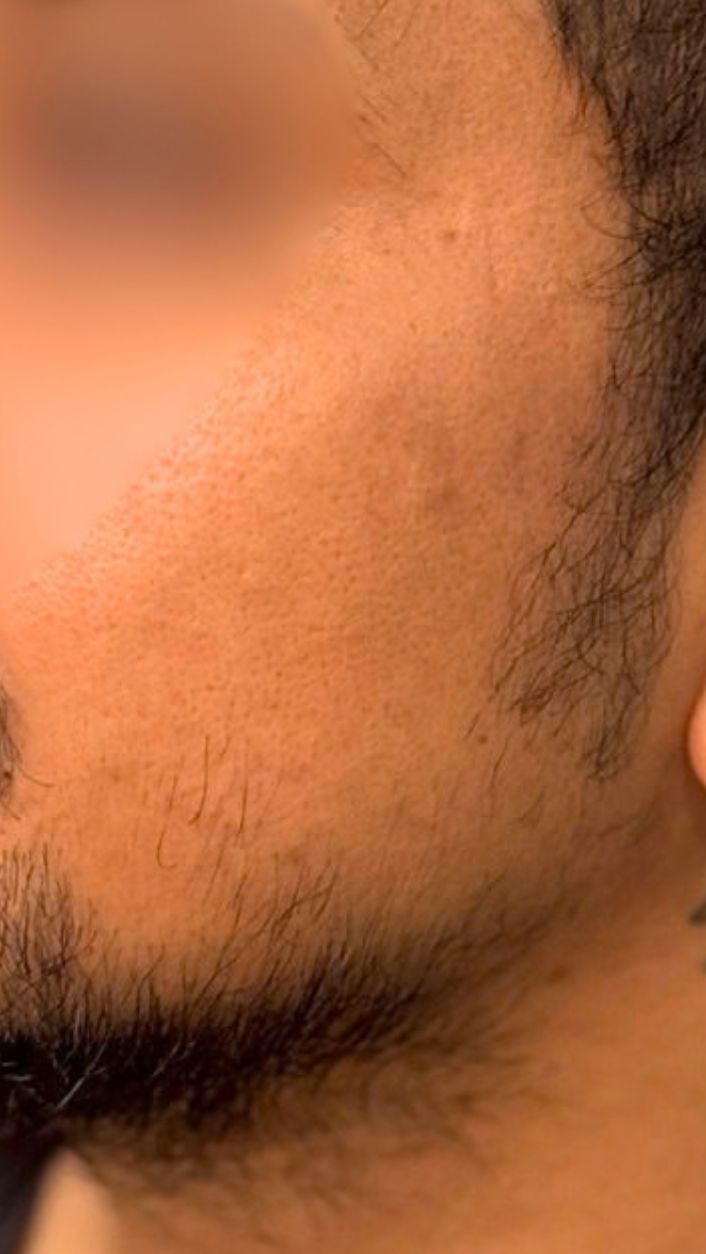
Beard Transplant Case 01
Procedure: FUE beard transplantation at Bijan Clinic, Sydney.
The treatment plan was based on the patient’s existing facial-hair pattern, facial proportions, available donor hair and the direction of the surrounding beard growth.
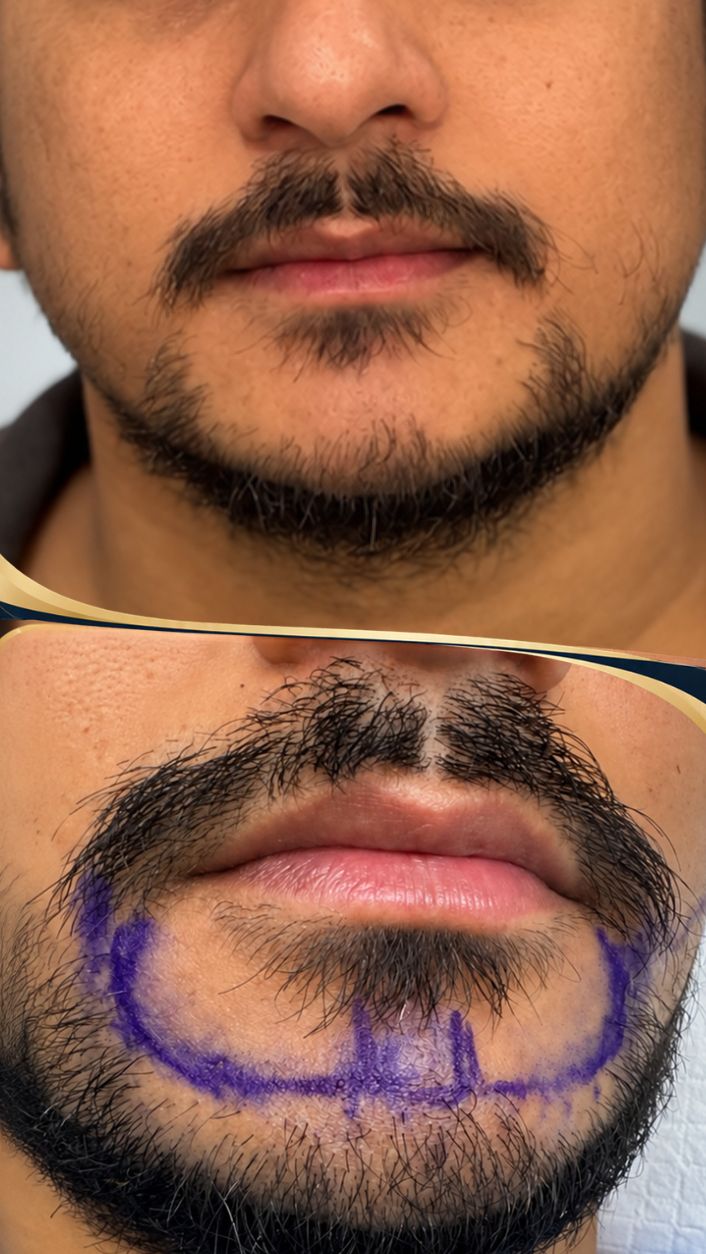
Case 02
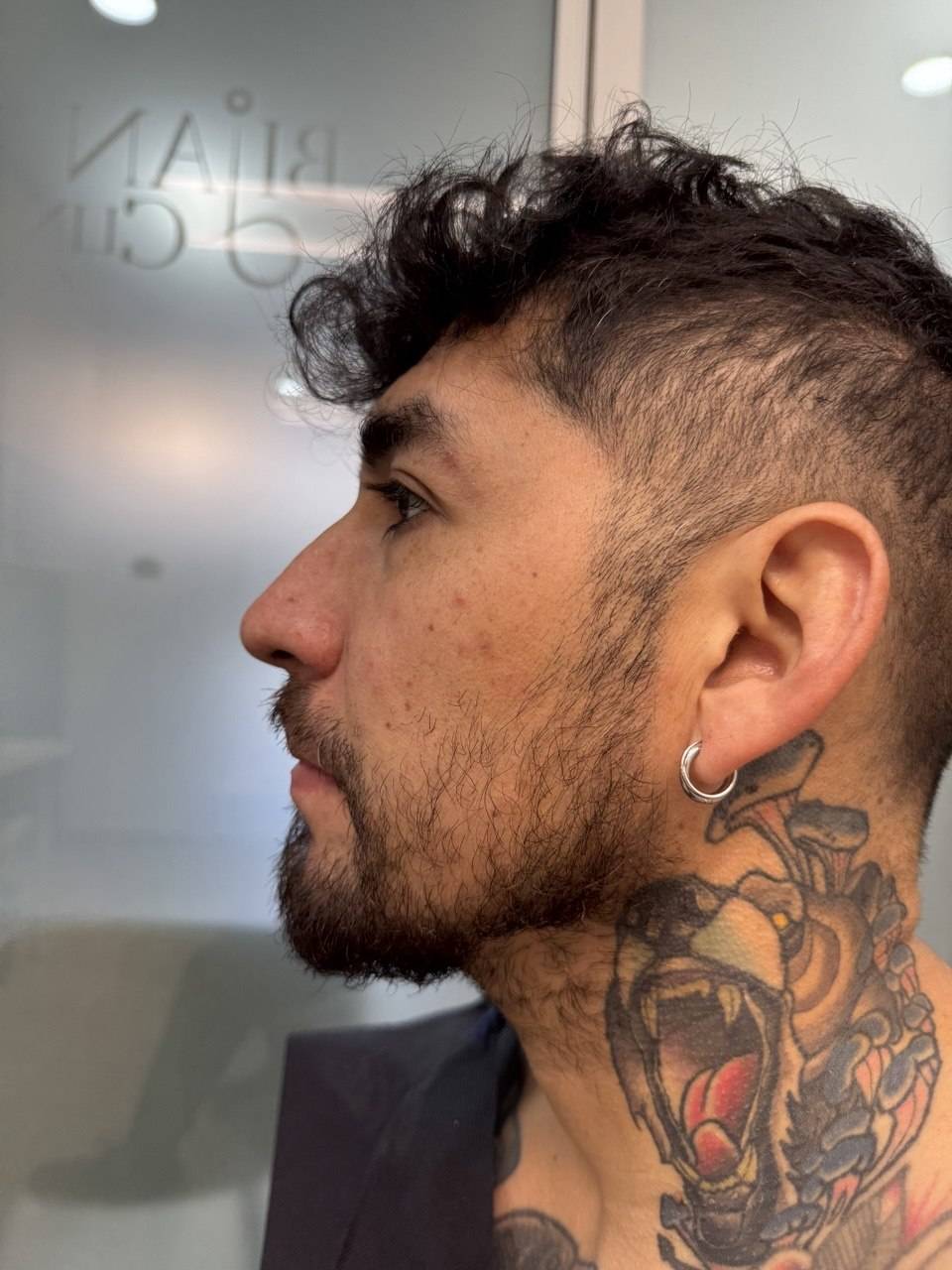
Procedure: FUE beard transplantation at Bijan Clinic, Sydney
The placement pattern was planned to follow the existing direction and angle of the patient’s facial hair. The achievable coverage depended on the treatment area, donor characteristics and the patient’s individual healing and growth.
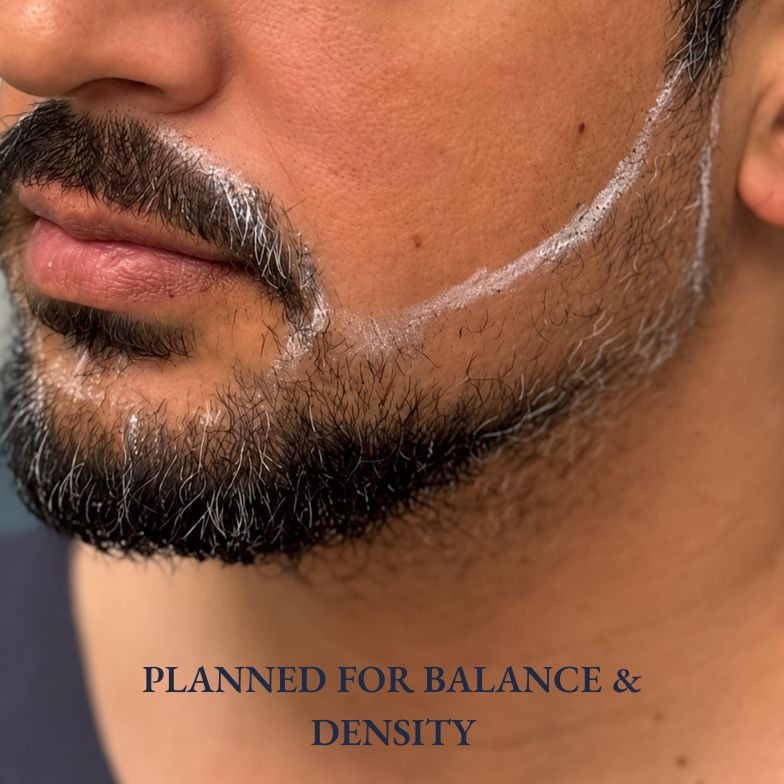
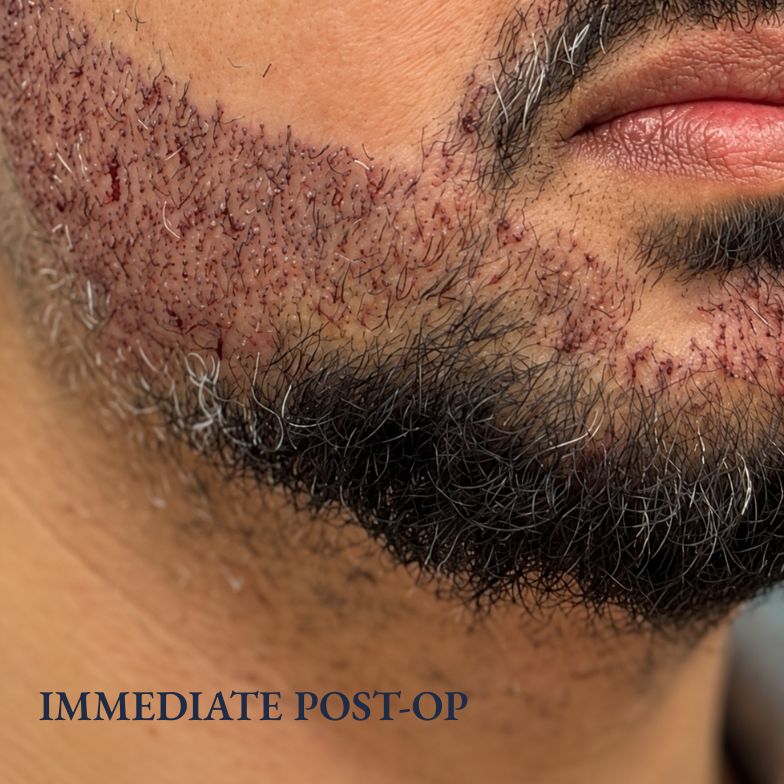
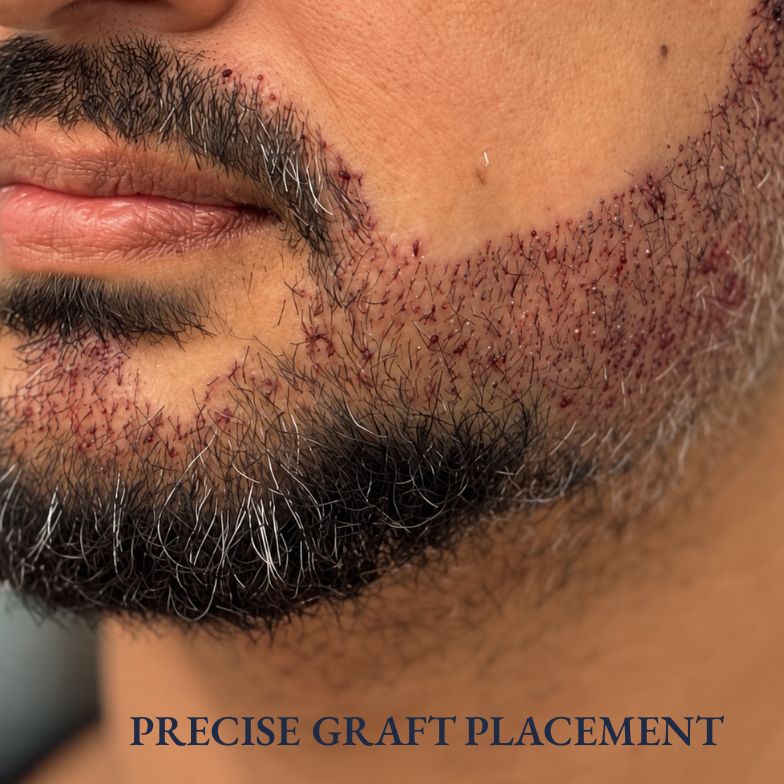
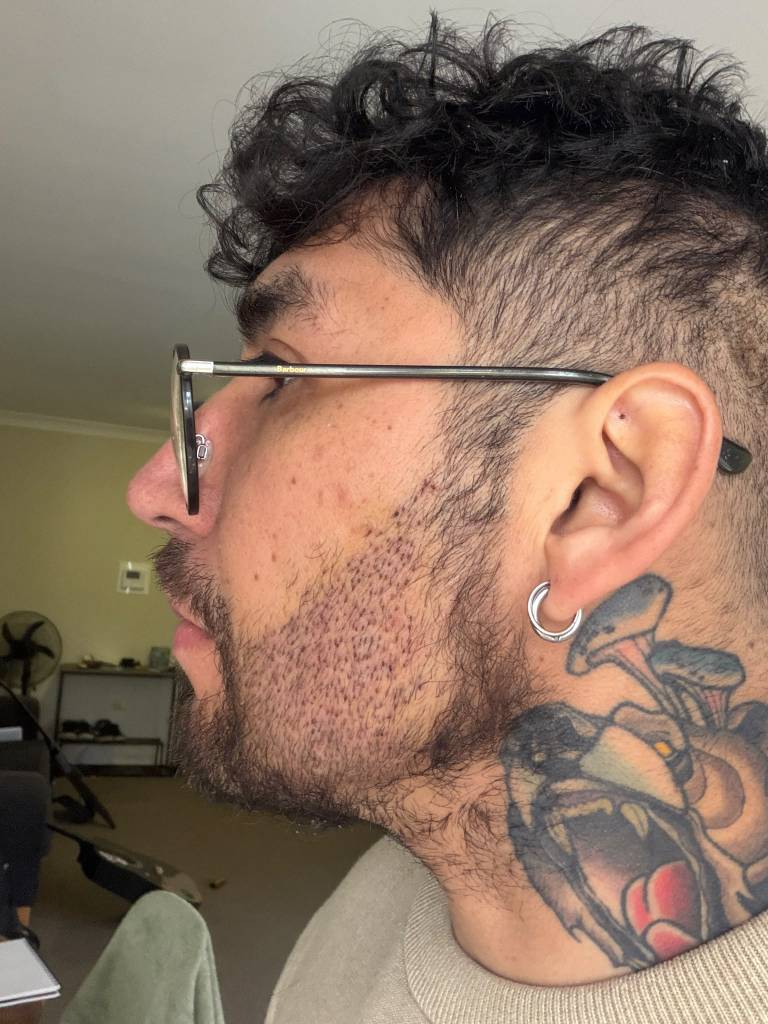
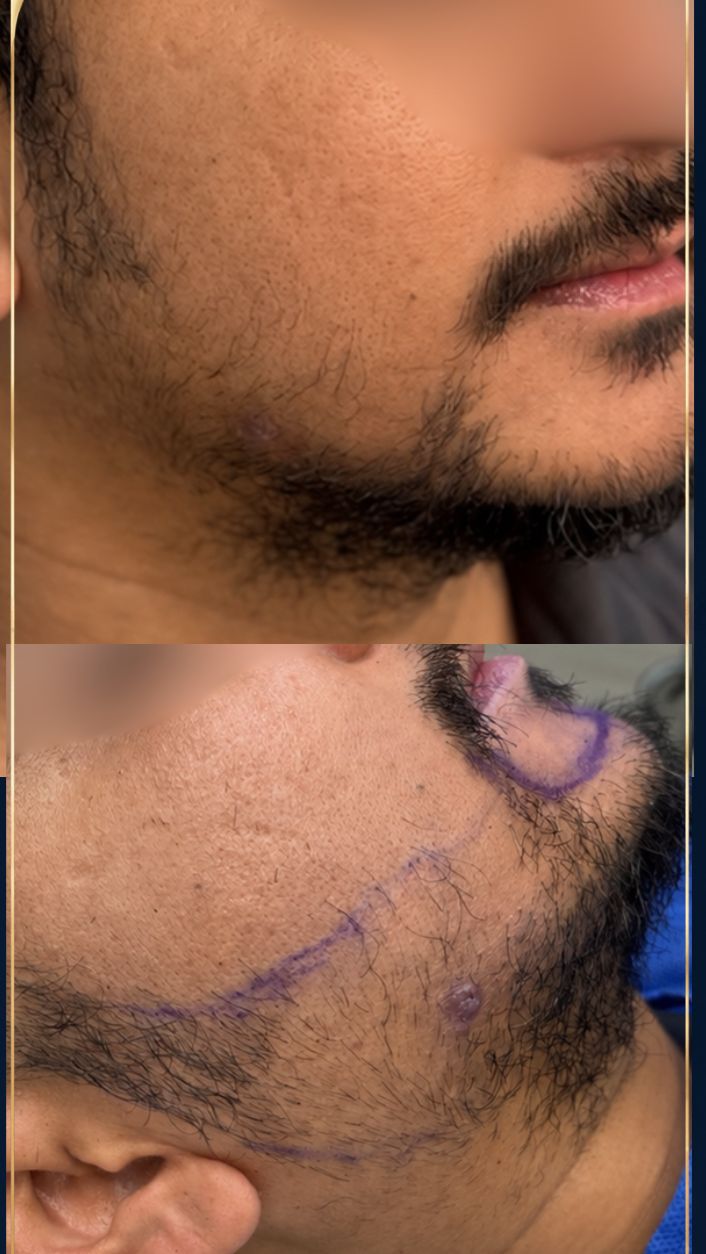
Case 03 - 2026
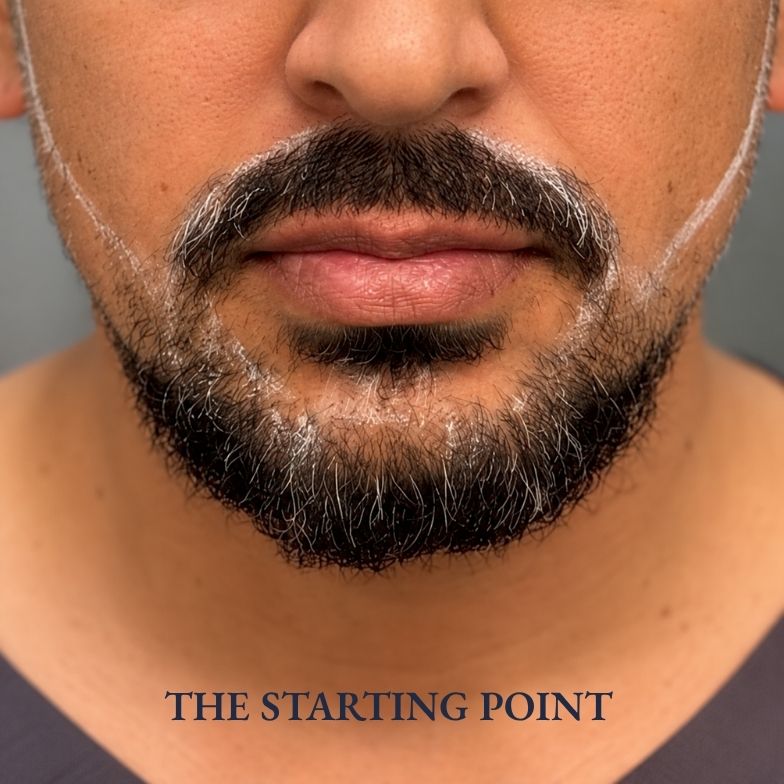
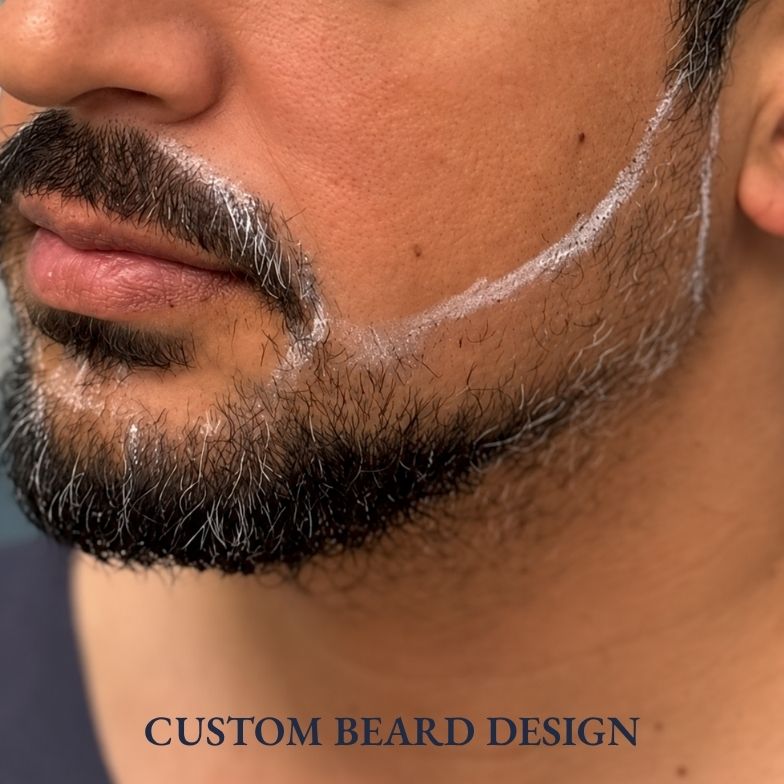
Procedure: FUE beard transplantation at Bijan Clinic, Sydney
The placement pattern was planned to follow the existing direction and angle of the patient’s facial hair. The achievable coverage depended on the treatment area, donor characteristics and the patient’s individual healing and growth.
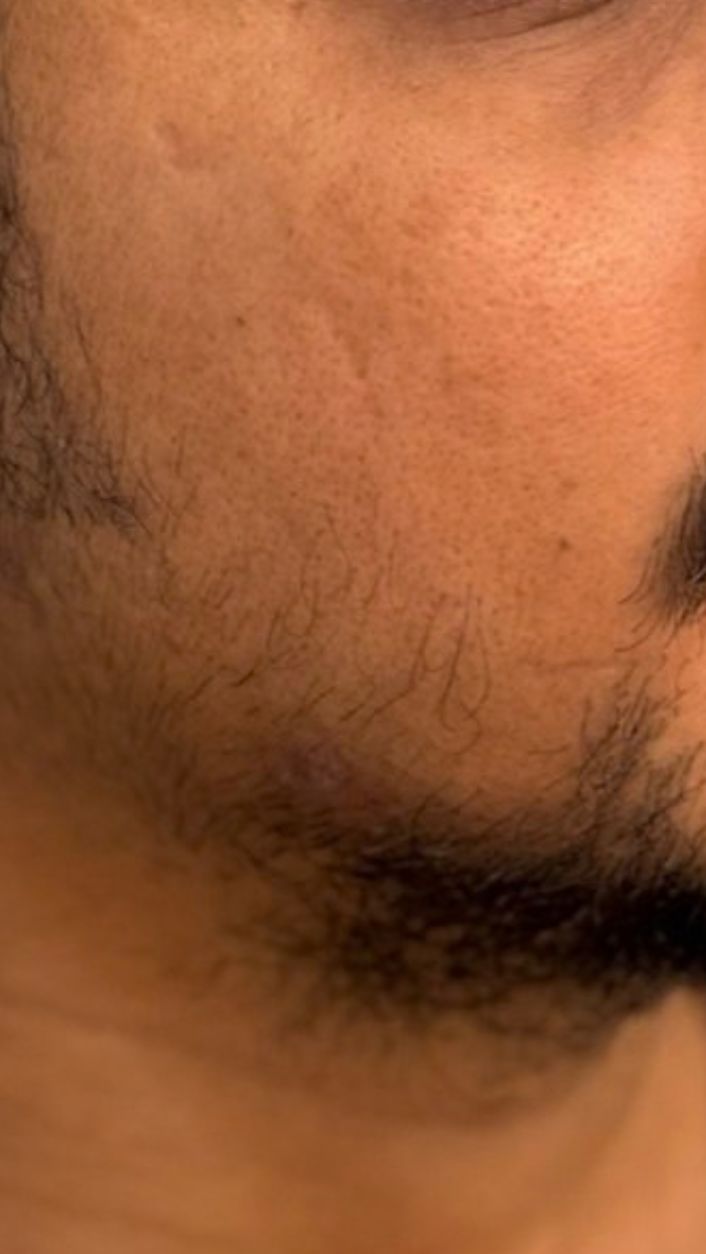
Other Cases


Reading the results
How to Assess Beard Transplant Before and After Photos
Before-and-after images can help you understand the type of changes that may be possible, but they cannot determine whether you are suitable for treatment or predict your individual outcome.
When reviewing beard transplant photographs, consider:
- Whether the before and after images use a similar angle and facial position
- Whether lighting, image distance and beard length are reasonably comparable
- How long after treatment the result photograph was taken
- Which parts of the beard, moustache or sideburns were treated
- Whether the photographs show early recovery or established growth
- Whether the images belong to actual patients treated by the clinic
Images on this page must not be digitally altered to change the appearance of the patient’s treatment result. Cropping may be used for layout, but the clinical content of the photographs should remain unchanged.
Individual variables
What Can Affect a Beard Transplant Result?
Beard transplant outcomes vary between patients. Factors that may influence the appearance of an individual result include:
Existing facial-hair pattern
The location, density, texture and direction of the patient’s existing beard hair affect how transplanted follicles can be integrated into the surrounding facial hair.
Donor-hair characteristics
Donor density, hair calibre, colour, curl and texture are assessed when planning which follicles may be suitable for facial-hair restoration.
Treatment area
Adding coverage to a small isolated gap differs from treating larger areas across the cheeks, jawline, moustache and goatee.
Beard design
The proposed outline and distribution need to suit the patient’s face, existing growth and preferred beard style. Hair direction can vary across different parts of the face.
Recipient skin
Skin condition, previous scarring and blood supply may affect treatment planning and the predictability of growth.
Healing and aftercare
Healing varies between patients. Following the individual aftercare instructions provided by the clinic is an important part of the postoperative period.
Understanding the timeline
Early Recovery Is Not the Final Result
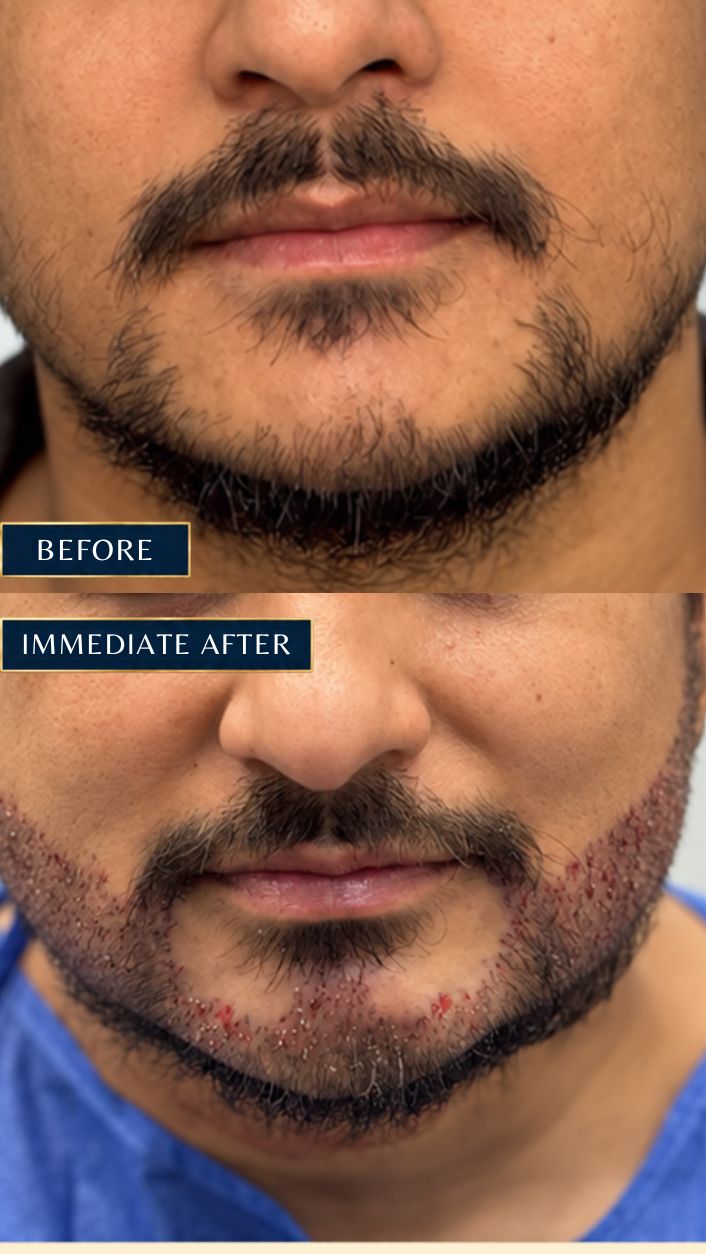
Immediately after a beard transplant, the recipient area may show redness, swelling, crusting or visible implanted hairs. Some transplanted hair shafts may later shed before new growth becomes visible.
Early postoperative photographs document the procedure and recovery process. They should not be compared with established result photographs or presented as a final outcome.
Visible growth develops gradually over the following months. The timing, density and maturation of the transplanted facial hair vary between patients.
Beard Transplant Procedure and RecoveryTreatment scope
Areas That May Be Considered for Beard Restoration
Depending on individual suitability and donor availability, a beard transplant treatment plan may involve:
- Patchy or sparse cheek areas
- The jawline
- The moustache
- The chin or goatee
- Sideburns
- Gaps between existing facial-hair areas
- Selected facial scars
- Gender-affirming facial-hair restoration
Not every patient is suitable for every type of beard design or level of coverage. An assessment is required before treatment can be recommended.
Personalised planning
Planning a Beard Transplant at Bijan Clinic
Beard transplant planning begins with an assessment of the patient’s existing facial-hair pattern, donor area, recipient skin, medical history and treatment goals.
The proposed design should consider:
- Facial proportions
- Existing beard shape and density
- Hair angle and direction
- Donor-hair availability
- The size of the treatment area
- The preferred beard length and style
- Realistic expectations about coverage and density
A consultation also allows the clinic team to discuss possible treatment areas, approximate graft requirements, recovery and individual pricing.
Common questions
Frequently Asked Questions
These answers provide general information. Suitability, graft requirements, healing and expected coverage must still be assessed individually.
Are these real beard transplant patients?
The photographs on this page show actual patients treated at Bijan Clinic. Each image should be labelled with its confirmed photographic stage so that early postoperative appearances are not confused with established results.
Are beard transplant results guaranteed?
No. A photograph of another patient cannot guarantee the density, growth, healing or appearance that you may achieve. Results vary according to the donor area, recipient skin, treatment plan, healing and other individual factors.
How long does it take to see beard transplant results?
Transplanted hair shafts may shed after the procedure before gradual new growth begins. The timing and rate of growth vary, and maturation continues over time. Each photograph on this page identifies when it was taken following treatment.
Does transplanted beard hair need trimming?
Donor hair taken from the scalp may retain some scalp-hair characteristics and can grow differently from native beard hair. Regular trimming and grooming may therefore be needed.
Can a beard transplant fill patchy areas?
Beard transplantation may be considered for selected gaps or areas of limited facial-hair growth. The achievable coverage depends on the size of the area, existing facial hair, available donor supply and individual assessment.
Can beard transplantation be used for a facial scar?
Transplantation into selected facial scars may be possible, but growth in scar tissue can be less predictable. The age and condition of the scar, skin quality and blood supply need to be assessed before treatment is considered.
How many grafts are needed for a beard transplant?
Graft requirements vary. A small isolated area may require fewer grafts than treatment involving the cheeks, jawline, moustache and goatee. An estimate can only be provided after the treatment area and donor supply have been assessed.
Can I choose the shape of my beard?
The patient’s preferred beard shape can be discussed during consultation. The final design must also consider facial proportions, existing hair growth, donor availability and the natural direction of facial hair.
How much does a beard transplant cost in Sydney?
The cost depends on the size and location of the treatment area, estimated graft requirements, donor availability and the complexity of the proposed design. An individual quotation is provided after assessment.
Read About Beard Transplant CostsAuburn, Sydney
Book a Beard Transplant Consultation in Sydney
A personalised assessment can help determine whether beard transplantation may be suitable for your facial-hair pattern, donor area and treatment goals.
Free initial consultations are available at Bijan Clinic in Auburn, Sydney.
Bijan Clinic1/6–14 Park Road
Auburn NSW 2144
Australia
Phone: +61 450 347 491
Website: bijanclinic.com.au
Individual suitability, healing, graft survival, density, growth and results vary. The information and photographs on this page are general and do not replace an individual medical assessment.